Tired of battling fragmented automation systems?
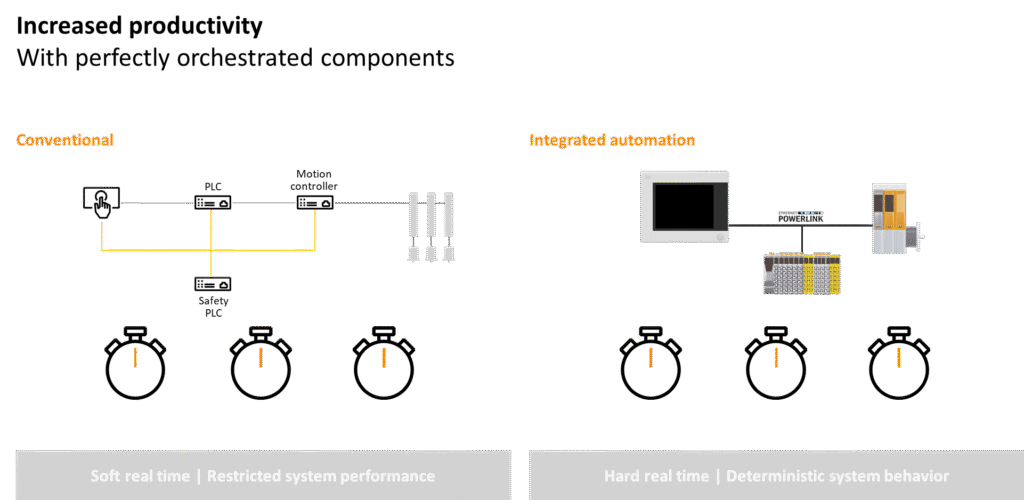
In Industry 4.0, efficiency is measured by how quickly your machine is up and running and how easy it is to maintain. That’s where B&R’s Single Platform philosophy is a game-changer!
Forget bad integrations. With B&R, everything is unified:
1. One Software (Automation Studio): Control (PLC), Motion, HMI, and Safety are all programmed from a single engineering environment. Goodbye to multiple tools and languages!
2. Seamless Communication (POWERLINK/openSAFETY): All components, from the Automation PC to the X20 I/O modules and ACOPOS servo drives, communicate in real time using an open, standard protocol. This ensures pinpoint synchronization and unparalleled diagnostic capabilities.
3. Hardware Integration: Whether you need a robust PLC or a high-performance industrial PC, B&R’s modular architecture ensures that all equipment works as one.
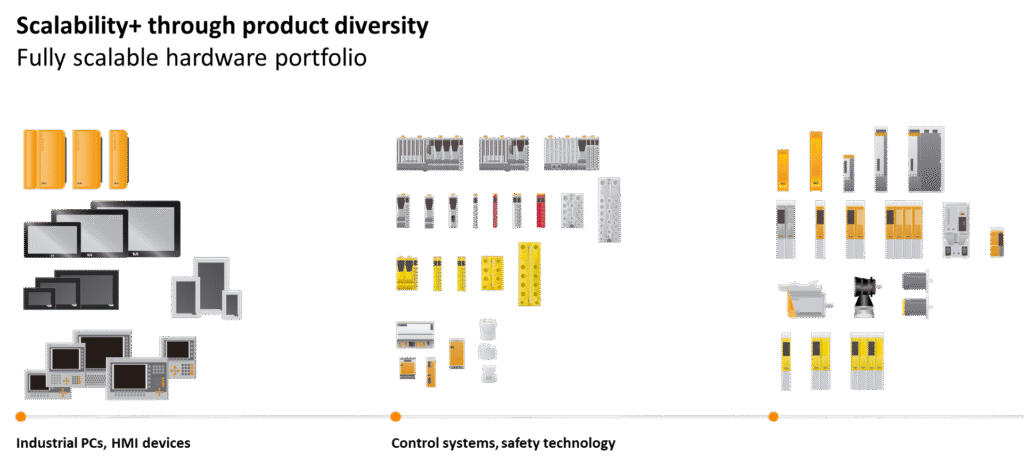
The Brain of Operation: Automation Studio
It’s not just programming software; it’s the command center that consolidates all engineering tasks. With Automation Studio, you can:
Drag and Drop: Configure hardware without writing a single line of code in many cases.
Reuse Code: Create software modules that can be easily replicated on different machines, reducing development time by 40-60%.
Integrated Simulation: Test the performance of motion control and PLC logic directly in the development environment before going to the shop floor.
The Impact on Your Business:
Reduced Time to Market (TTM): Less programming time, faster to production.
Instant Diagnostics: Identifies faults in minutes, not hours.
Lower Total Cost of Ownership (TCO): Less intermediate hardware, less training, and less spare parts inventory.
Want more information?
Contact us at email: sales.req@centratek.com